
Complex Trauma Therapy
With Julie Newman + Geraldine Salazar
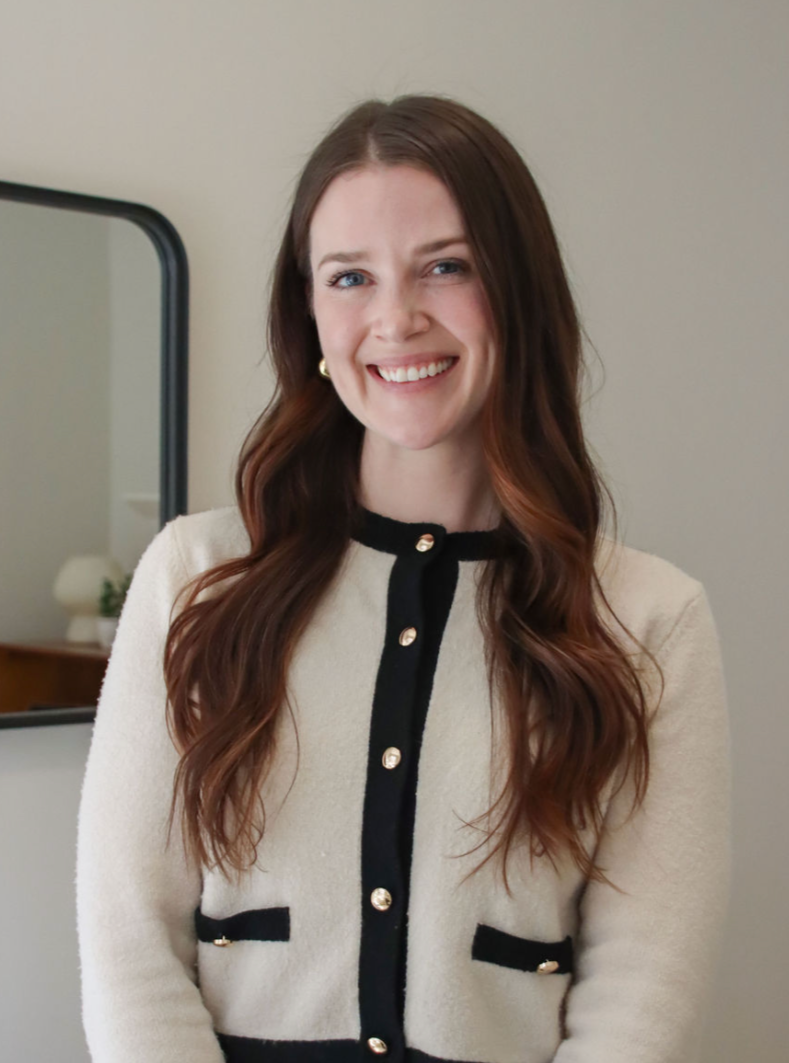
Julie Newman, LMHC-D

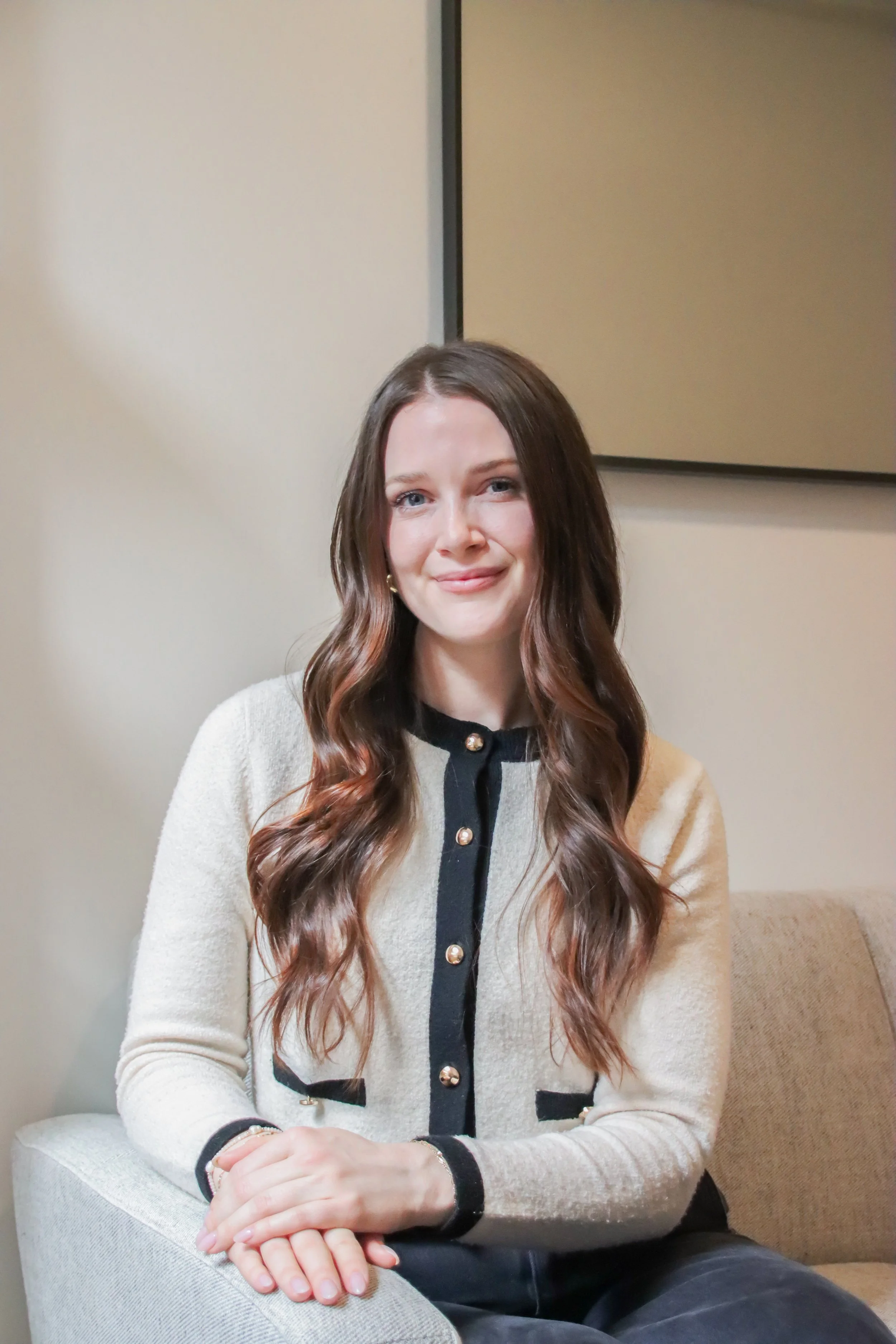
Geraldine Salazar, MHC-LP
Recently featured in:










We are therapists who have had complex trauma ourselves and know how it affects work, romance, trust, and how you operate in the world AND we know how therapy helps.
Have you spent so much time being who other people needed you to be that you're not sure what you actually want?
Do you know that something needs to change, but don’t know where to start?
Complex trauma shapes how you see yourself, your relationships, and what you expect from other people. When your needs weren’t met or your relationships didn’t support you, the impact stays with you long after those experiences are over.
Some clients learned to stay quiet because saying no didn't feel safe. Others learned to follow someone else’s direction because trusting themselves was difficult.
Maybe those strategies helped you at one time. They may not be helping you now.
Clients Come To Us When They
Feel Stuck
People please
Avoid conflict
Fear saying no
Struggle with boundaries
Doubt themselves
Are disconnected
These patterns show up everywhere - In romantic relationships, at work, with family and friends, affecting how you make decisions and how you see yourself.

How Our Complex Trauma Therapy Works
We’ll start by understanding how you learned to cope. Instead of judging the patterns that are frustrating you now, we’ll look at what they were helping you do and why they may no longer fit your life.
From there, we’ll identify the roots of the pattern and work on changing how you respond in the present to build stronger boundaries and develop more self-trust.
Approaches We May Use
-
Helps you understand the different parts of yourself that developed around difficult experiences. This helps you respond to yourself with more clarity instead of shame or self-criticism.
-
Helps you notice thoughts, feelings, and reactions as they happen. This makes it easier to pause instead of automatically people pleasing, shutting down, or reacting.
-
Builds practical skills for emotional regulation, distress tolerance, and relationships. This helps you handle difficult moments without losing yourself in them.
-
Explores how early relationships shaped the way you connect, trust, set boundaries, and choose people. This helps you make different choices in relationships today.
-
Helps you understand the roots of your patterns and how earlier experiences continue to influence your life. Insight gives you more choice about what happens next.

What Helped You Survive Doesn’t Have To Run Your Life
The ways you learned to cope made sense at the time - they protected you and gave you security. But they didn’t help you build more choice in how you respond, what you allow, and how you show up in your life.

After Complex Trauma Therapy
The goal isn't to erase your past. It's to help you have more choices in your present.
Our work focuses on:
Stronger self-esteem
Clearer boundaries
Better relationships
Earlier red flags
More self-trust
Better work performance
More intentional choices
You choose different people, noticing what relationships actually give back to you, and deciding who you want around you.
“Complex trauma isn’t just about what you experienced, it’s also about what didn’t happen for you. Needs that were not met when you were younger.”
Our Complex Trauma Therapists
-
![Julie Newman, LMHC-D]()
Julie Newman, LMHC-D
I know how complex trauma affects how you operate in the world.
-
![Geraldine Salazar]()
Geraldine Salazar, MHC-LP
By processing the past, I help you make different choices in the future.

Availability: We provide in-person therapy in Midtown Manhattan, and virtual therapy via telehealth for clients across New York State.
3 Steps To Get Started
-
Schedule a free 15-minute consultation and share what’s feeling difficult lately.
-
We’ll talk about what you want to change, how I work, and whether we’re a good fit.
-
If it feels right, we’ll schedule your first session and begin understanding the patterns that have been shaping your life.
Ready To Change The Patterns That No Longer Fit?
FAQs about Complex Trauma Therapy in NYC
-
Complex trauma comes from repeated or long-lasting experiences, usually in childhood or close relationships, where your needs weren’t met or you didn’t feel safe.
It’s different from a single traumatic event because it shapes how you see yourself and what you expect from other people. Some therapists call it complex PTSD (CPTSD).
In daily life, it can look like people-pleasing, fear of saying no, trouble with boundaries, or doubting yourself. -
Complex trauma usually comes from repeated or long-lasting experiences, often in childhood, where you couldn’t easily get away or get support.
Examples include emotional neglect, abuse, unsafe or unpredictable caregiving, and growing up around constant conflict. It can also come from ongoing mistreatment in adult relationships.
Not everyone who goes through these experiences develops complex trauma, and only a licensed clinician can tell you what applies to you. -
Complex trauma therapy in NYC starts with understanding how you learned to cope and what those strategies were protecting you from.
From there, we work on responding differently in the present, with stronger boundaries and more self-trust.
We draw on techniques from IFS, mindfulness, DBT, attachment-based, and psychodynamic therapy.
You set the pace, and you decide how much to share and when. -
There isn’t one best therapy for everyone.
The right approach depends on your history, what you’re struggling with, and what you want to change.
What matters most is working with a therapist who understands trauma and with whom you feel safe.
We blend several approaches and adjust as we go, instead of fitting you into one method.
A free 15-minute consultation is a low-pressure way to see if we’re a good fit. -
No. You decide how much to share and when.
Complex trauma therapy doesn’t require you to retell every detail before we can start. Many people begin with what’s happening now, like people-pleasing, trouble saying no, or doubting yourself, and we look at where those patterns came from at a pace that feels doable.
If you’re not sure what you’re comfortable sharing, scheduling a free 15-minute consultation is a good place to ask how we work before you decide.